
AI Ethics and the Future of Publishing
A New Chapter in Human Creativity
Since its founding in 1998, Galilee has stood for meaningful storytelling — for the bridge between imagination, insight, and integrity.
In a world increasingly shaped by algorithms and automation, a new question arises: Can creativity remain truly human when machines begin to write, edit, and even imagine alongside us?
The age of Artificial Intelligence has arrived not only in science and business but also at the heart of art, literature, and publishing. And with it comes both opportunity and ethical responsibility.
The Rise of Artificial Intelligence in Publishing
Across the publishing industry, AI is rapidly changing how stories are produced and shared. Machine learning tools now summarize manuscripts, suggest edits, translate texts, and even generate entire articles. For publishers, this can mean efficiency, speed, and lower costs.
Yet beneath these benefits lies a deeper challenge — the question of authorship and authenticity.
If a story is partially or fully written by a machine, where does human creativity begin, and where does it end?
As Galilee has long emphasized, publishing is more than the transfer of information — it is the transmission of meaning, values, and vision. AI may enhance this process, but it must never replace the human conscience that gives words their purpose.
Ethics, Trust, and the Role of the Publisher
The integration of AI raises essential ethical questions:
-
Transparency: Should readers be informed when AI tools are used in content creation or editing?
-
Authorship: Who owns the rights to AI-generated material — the creator, the programmer, or the publisher?
-
Bias and Integrity: How do we ensure that algorithms trained on historical data don’t replicate past prejudices or distort truth?
For Galilee, these are not technical problems but moral ones. The core of ethical publishing lies in trust — trust between author and publisher, between creator and reader, between truth and its expression.
A publisher’s role has always been to act as a guardian of authenticity, ensuring that every voice is represented with integrity. In the AI era, this mission becomes even more vital.
Reimagining the Creative Partnership
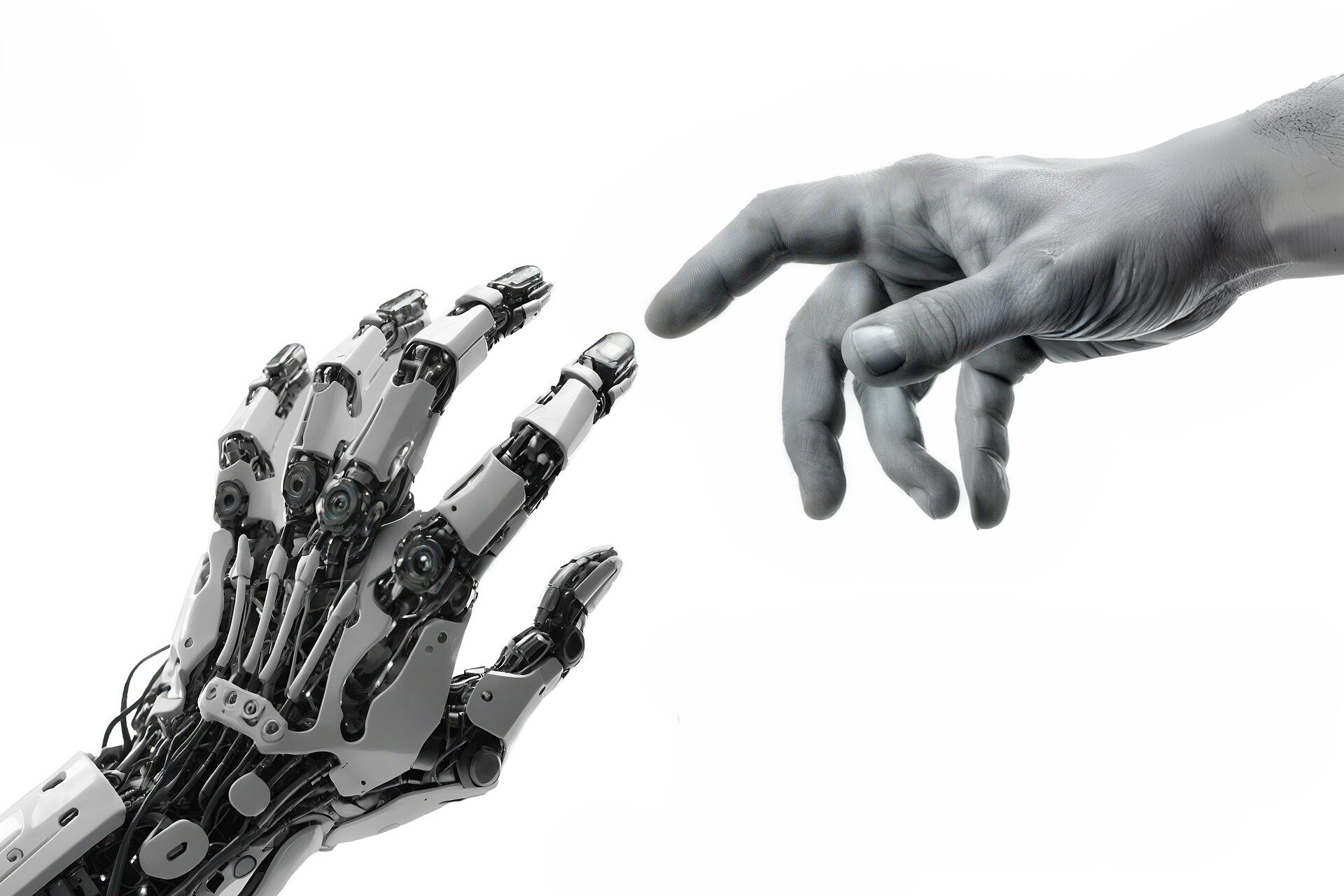
Rather than rejecting technology, Galilee envisions a creative partnership between humans and intelligent tools. AI can serve as a lens that magnifies creativity — a helper that supports editors, enhances translation, and expands accessibility for readers worldwide.
But the guiding principle remains: the human must lead the machine.
Technology may assist, but it cannot feel, discern, or love. Only the human mind and heart can infuse words with empathy, context, and divine imagination.
At Galilee, we believe that publishing rooted in spirit, ethics, and humanity will stand the test of technological change.
Ink, Code, and Conscience
AI offers compelling opportunities for publishers — greater efficiency, improved accessibility, and entirely new forms of creative expression. Yet the ethical risks are equally profound: authorial integrity, editorial quality, bias, transparency, and the very credibility of publishing are all at stake.
For a house like Galilee, rooted in thoughtful, humanistic publishing, the stakes are even higher. Adopting AI must never compromise the intellectual or spiritual mission that defines us. Instead, artificial intelligence must be thoughtfully integrated — with clear policy, human oversight, transparency, and continual reflection.
As we move deeper into the digital age, the challenge for publishers is not to resist innovation but to humanize it.
AI can refine language — but humans define purpose.
Machines can mimic style — but only humans can reveal soul.
In this unfolding chapter, Galilee reaffirms its enduring vision: to create, publish, and inspire through stories that honor both truth and transformation.
Our task is not to fear the rise of intelligence but to ensure it remains ethical, accountable, and deeply human.
For in every line written, and in every story shared, it is — and must always be — the human signature that endures.
Share:
The Sovereignty of Content: An Edict of Digital Dominion